Scrapping Census Risks Undercounting Māori And Weakening Representation
Updated: Apr 9
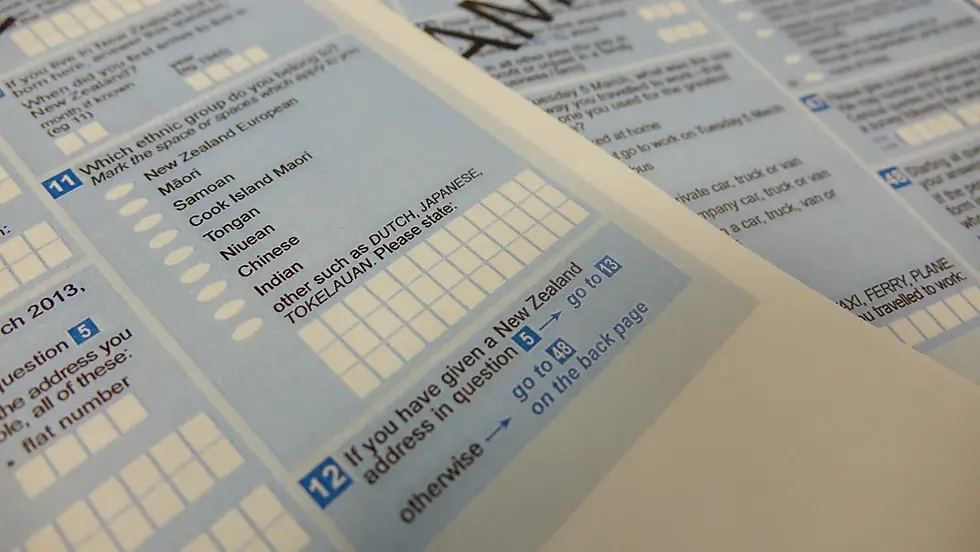
Te Tai Tonga MP Tākuta Ferris, says the Government’s move to scrap the traditional census and replace it with a system reliant on government engagement data risks undercounting Māori populations and weakening resource allocation and representation.
The Government has introduced legislation to be read for the first time today that would end the long-standing five-yearly census and instead rely primarily on government datasets to produce population statistics from 2030.
“These changes go far beyond an administrative shift. They undermine the counting of the Māori population, resource allocation, and representation,” said Ferris.
“We know that Māori communities are not consistently captured across government systems. Relying on systems that are fundamentally broken will undercount Māori in favour of larger population groups.”
Ferris says this will have a negative impact on resource allocation and representation in Parliament and local councils.
“The allocation of resources follows the data. If there is no data to follow, then it will be Māori communities, those with disabilities and takatāpui who continue to miss out.
“Electoral law also uses population data when determining the number and size of Māori electorates.
“If you change how our people are counted, you change how our people are represented.”
Ferris, the MP for Aotearoa’s largest electorate, Te Tai Tonga - covering around 151,727 square kilometres and roughly 7,270 times larger than the country’s smallest electorate, Mt. Albert - says its sheer scale already highlights the inequity Māori face in political representation.
“When Māori electorates are already stretched across vast geographic areas -Wellington, the whole of the South Island and the Chatham Islands - any system that risks undercounting Māori only deepens that inequity.”
Ferris says the work of Te Kāhui Raraunga and the Data Iwi Leaders Group provides a clear pathway forward.
“Te Kāhui Raraunga has already developed a Māori Data Governance Model that shows how Māori and the Crown can work together to design a safe, secure, and trustworthy system for all New Zealanders,” said Ferris.
“Ignoring that work and pushing ahead with changes that affect Māori electoral representation without Māori leadership is unacceptable.”

Comments